A purchasing order system optimizes procurement workflows, streamlines supplier interactions, and reduces manual errors. By centralizing requests, approvals, and tracking, teams gain real-time visibility into inventory levels and spend. Automation accelerates cycle times and improves reporting accuracy, enabling smarter budgeting decisions. For more information and solutions, visit the link in the second half: https://cloudb2b.co.uk/ to explore scalable options for your business.
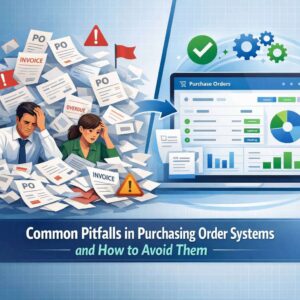
Implementing a new purchasing order system can be transformative for efficiency, cost control, and supplier relationships. Yet organisations often stumble into common pitfalls that undermine the benefits of a cloud based purchase order system or any po system software. With the right approach, you can navigate these challenges smoothly and ensure your purchase ordering software delivers real value from day one.
A practical, user‑friendly po system for small business or larger organisations alike hinges on careful planning and clear requirements. This article acts as a practical guide for avoiding the frequent missteps that can derail a project, from scoping and vendor selection to data migration and user adoption. By focusing on real business needs, you’ll align technology with everyday procurement processes and set your team up for success.
What to consider before you start
Selecting a cloud based purchase order software solution should begin with a thorough needs assessment. Many organisations fall into the trap of chasing shiny features without mapping how each feature will actually be used in practice. Start by documenting your core workflows: supplier onboarding, requisition to PO conversion, PO revisions, approvals, and receipt matching. Ensure your chosen po system supports these steps in a way that mirrors your current processes or, if you’re aiming for process optimisation, aligns with your future state. A solid purchase order control system will provide role based access, audit trails, and robust approval routing. These basics are non‑negotiable for compliance and accountability.
Engaging stakeholders from the outset is essential. Procurement, finance, operations, and IT all interact with the purchasing process in distinct ways. Too often decisions are made in a silo, leading to a system that satisfies one department while creating friction for others. Assemble a cross‑functional team to define non‑negotiables, wish lists, and pain points. This collaborative approach increases buy‑in and reduces the risk of later resistance during deployment.
Selecting the right vendor and product
When evaluating a po system, a critical pitfall is assuming that features alone determine compatibility. It’s equally important to assess integration capabilities with your ERP, accounting software, inventory systems, and supplier portals. A cloud based purchase order system should offer open APIs, secure data exchange, and straightforward integration tools. If you rely on a cobbled integration landscape, you’ll spend more time firefighting data reconciliation than driving value from the software.
Pay attention to data migration concerns. Transferring purchase histories, supplier data, catalogues, and contract terms requires careful planning, validation, and cleansing. Incomplete or dirty data will quickly erode trust in the new system and generate misleading reports. Build a migration plan that includes data mapping, deduplication, and a pilot migration before going live. Don’t underestimate the effort required to maintain data quality during and after the transition.
User experience and change management
A common oversight is underestimating the importance of user adoption. A po system is only as good as its utilisation. If requisitioners and approvers find the interface cumbersome, or if approval workflows feel slow or opaque, employees will seek workarounds. Focus on intuitive design, minimising clicks, and aligning the system with natural purchasing behaviours. Run early adopter pilots to refine the configuration and capture quick wins that demonstrate value to the wider team.
Training is a strategic investment, not a one‑off event. Deliver role specific training for buyers, approvers, accounts payable, and suppliers. Supplement formal sessions with quick reference guides, in‑system prompts, and sandbox environments where staff can practise without risk. Establish a support channel and a governance process for ongoing improvements and issue resolution.
Procurement policy and process alignment
Purchase order control requires clear policy alignment. Establish standardised requisition stages, approval hierarchies, and PO lifecycle rules. Define breach handling, change controls, and back‑out procedures because even the best cloud based purchase order system cannot compensate for poorly defined policies. If your purchasing policy allows for exceptions, ensure the system can handle them with auditable trails and predefined escalation paths.
Vendor and contract management
A robust po system should support supplier master data governance, contract terms, and pricing. When supplier data is accurate and contracts are easily accessible within the system, you’ll avoid renegotiating terms or inadvertently purchasing from the wrong supplier. Ensure the system provides supplier portals or easy supplier collaboration features so orders, changes, and acknowledgements happen within a secure, auditable environment.
Compliance, security, and data privacy
Security should be embedded by design. Evaluate data residency, encryption at rest and in transit, role based access controls, and incident response capabilities. For cloud based purchase order software, ask about uptime guarantees, backup procedures, and disaster recovery plans. A compliant po system for small business still requires controls that safeguard sensitive information such as pricing, payment details, and supplier information.
Performance, reporting, and analytics
A successful purchase ordering software implementation should deliver immediate visibility into spend, supplier performance, and process efficiency. Ensure your cloud based purchase order system offers real‑time dashboards, custom reports, and spend analytics that are easy to configure and share. The ability to drill down into exceptions, PO cycle times, and forecasted spend helps finance and procurement leaders make informed decisions.
Implementation approach and milestones
Adopt an iterative implementation, starting with a core set of indispensable features, such as supplier onboarding, requisitions, and basic approvals. Then progressively expand to advanced workflows, budget checks, three‑way matching, and supplier collaboration. Clear milestones, success criteria, and executive sponsorship keep the project on track. A phased approach reduces risk and accelerates time to value, especially when you’re deploying a po system for small business or a mid‑market environment.
Post‑go‑live optimisation
Even after go‑live, continuous improvement matters. Collect feedback, monitor key performance indicators, and bake in regular system health reviews. Small refinements in approval routing, form design, or supplier portal settings can yield meaningful efficiency gains and improved user satisfaction. By maintaining a culture of optimisation, your purchasing order software continues to deliver value long after the initial deployment.
In summary, avoiding these pitfalls requires a combination of clear requirements, stakeholder alignment, careful data handling, and a thoughtful change management approach. A well‑chosen cloud based purchase order system or po system software, implemented with attention to policy, usability, and integration, will streamline procurement, improve control, and empower your teams to focus on what really matters: delivering value for the organisation.
A robust purchasing order system streamlines procurement, cuts processing times, and improves supplier communication. It centralizes approvals, tracks status, and maintains audit trails for compliance. For an efficient solution, explore features that integrate inventory and invoicing. purchasing order system to optimize your workflow today.